Package the reusable work, document the interface, and make adoption easier before selling complexity.
Founder profile
Jalil builds where AI becomes useful.
A profile of an engineer working across open source, React and TypeScript, Cloudflare edge architecture, realtime interfaces, advanced renderers, voice systems, and practical AI strategy for small teams.

React, TypeScript, workers, realtime state, file surfaces, and UI that can survive actual use.
AI is most useful when it lands inside strong product, data, tool, and deployment boundaries.
Selected system proof
The profile is backed by work that touches the hard parts.
These are not abstract AI themes. They are the kinds of product, runtime, and workflow boundaries that decide whether customers can trust an AI-enabled web system.
Live audio that reaches the product safely
- Problem
- Voice features can become impressive demos that hide provider, routing, and human handoff risk.
- Buyer value
- Jalil maps the browser, worker, transcription, provider, and operator surfaces so teams can review what happened.
Agent file access with review points
- Problem
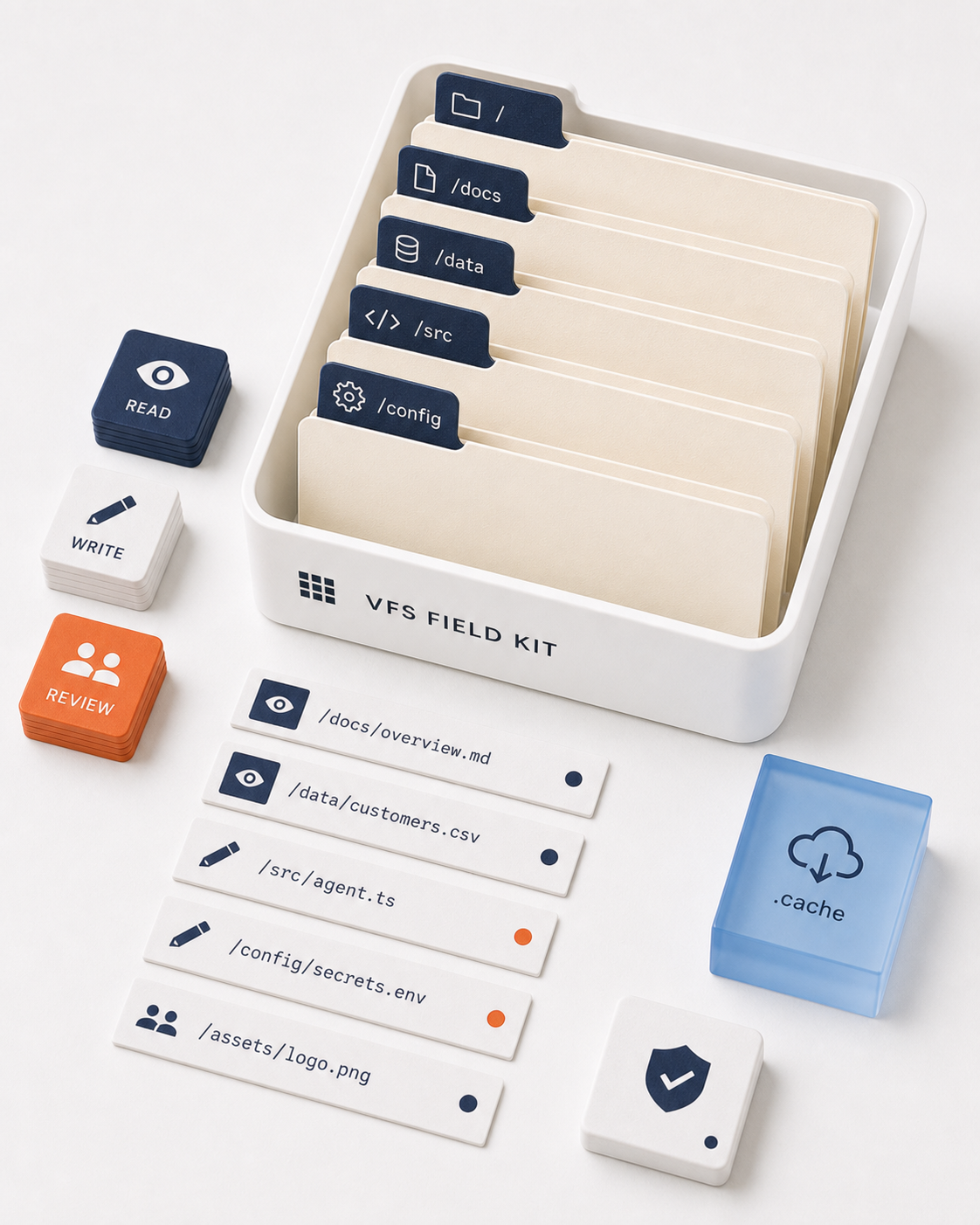
- Workspace-aware agents need context, but direct file writes can create operational risk.
- Buyer value
- The work becomes a visible read, edit, cached save, and approval flow that fits real product ownership.
WebSockets, renderers, and editor-grade UI
- Problem
- Advanced AI tools need state, previews, traces, files, and progress without overwhelming the user.
- Buyer value
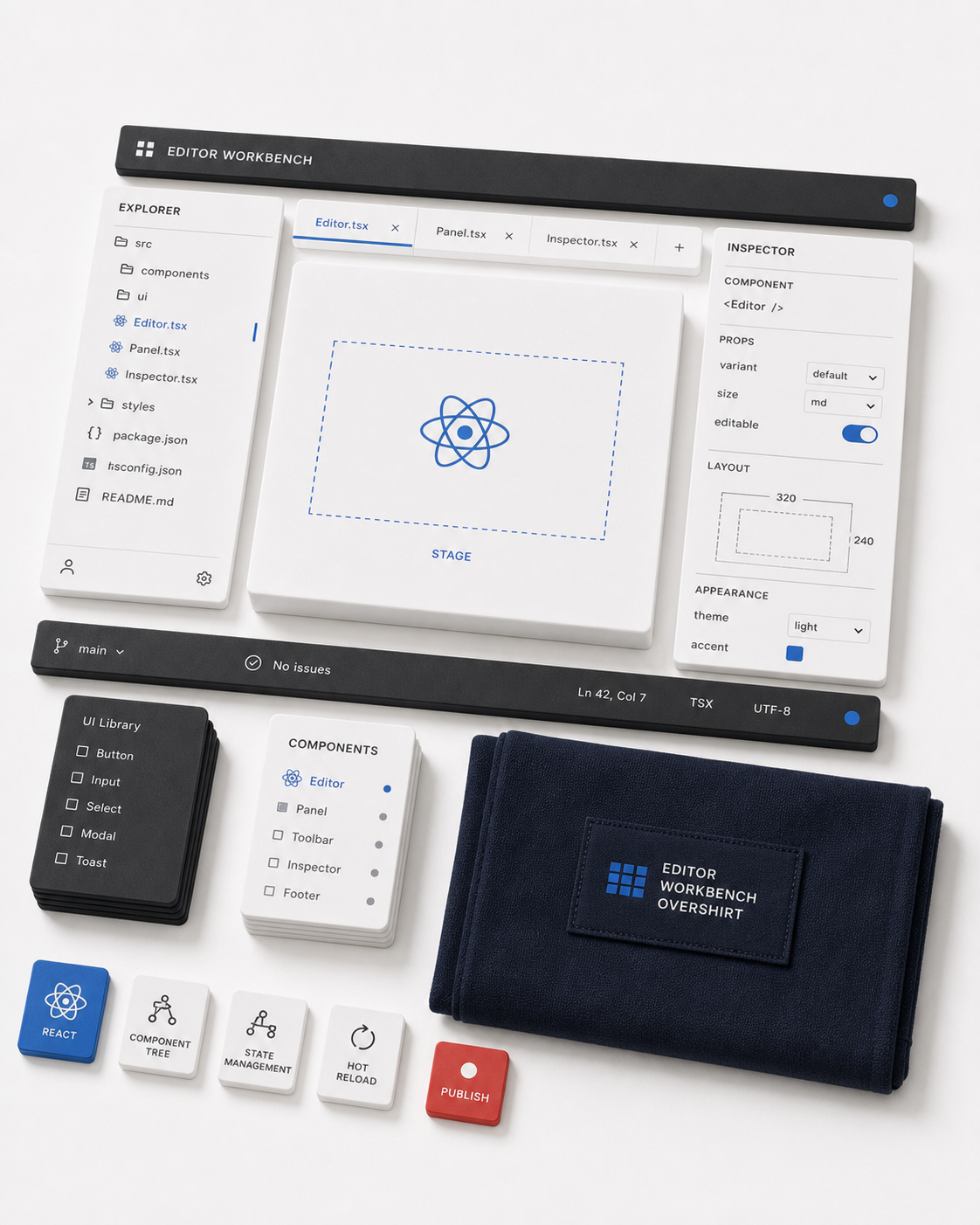
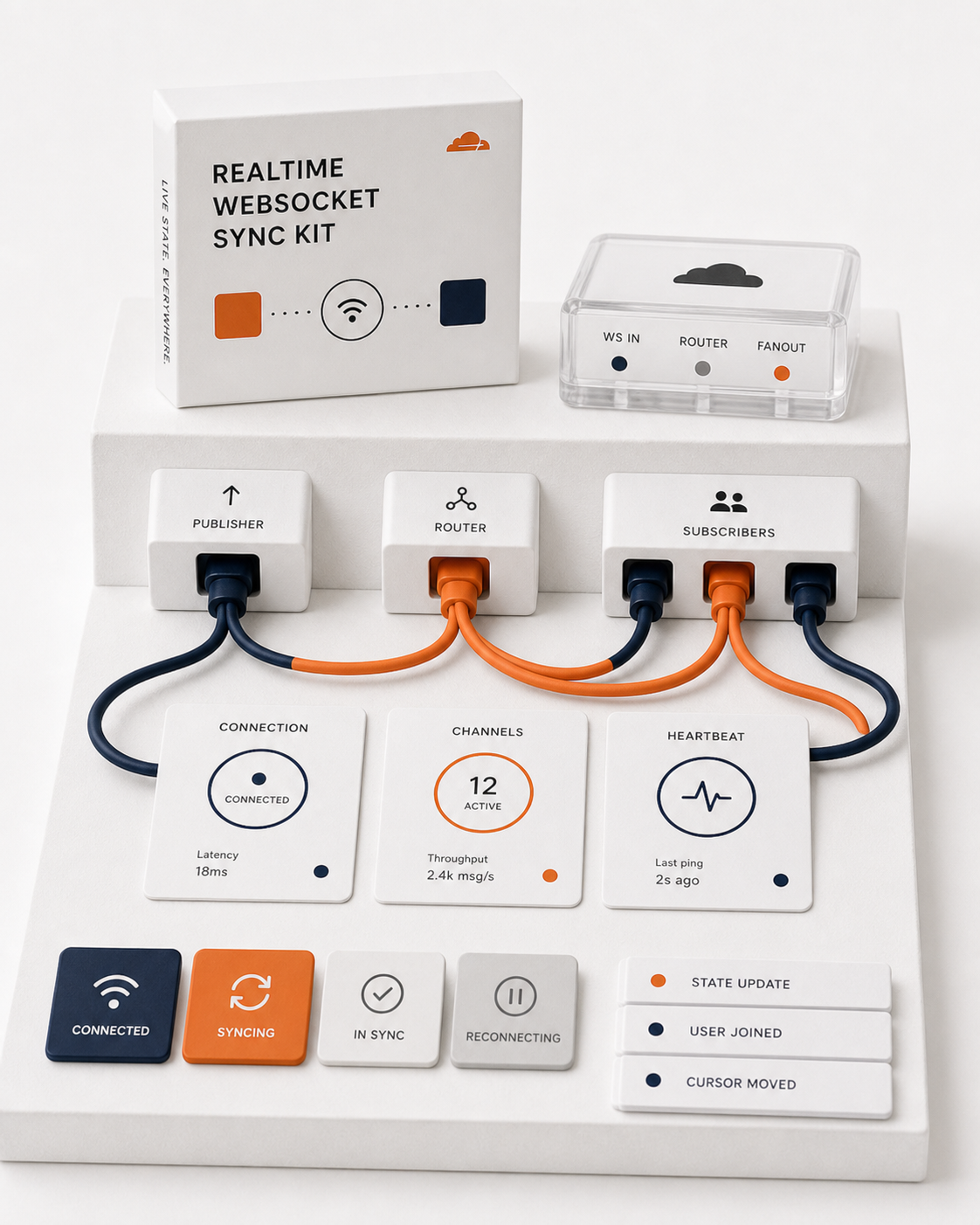
- Jalil turns that complexity into a product surface with tabs, panels, sync-state, renderer context, and clear actions.
Working style
Technical taste, packaged as a useful operating plan.
The consulting work is designed around decisions a small team can make and operate: scope, stack, data, workflows, and the AI moves that actually improve the product.

Magazine profile
An engineer for the AI-native web, before it had that name.
The profile
Built for the moment when AI became product infrastructure.
Jalil works in the part of software where product judgment, frontend architecture, cloud infrastructure, and AI systems meet. That matters now because the newest AI improvements do not live in a separate box. They touch the browser, the workflow, the data model, the permissions layer, the realtime session, the file system, the deployment path, and the way a team decides what is worth building.
His work starts from a practical belief: AI creates leverage when the surrounding web technology is strong enough to receive it. A model can draft, route, classify, transcribe, summarize, and call tools, but customers benefit only when those abilities are shaped into a product experience with clear state, clear ownership, clean interfaces, and responsible handoff points.
That is why his consulting sits close to the code. He is not selling generic AI transformation. He is helping teams turn the technologies they already depend on into a sharper system: typed React surfaces, Cloudflare edge services, open-source packages, durable state, virtual file access, live conversation, renderer-aware tools, and workflows that a small team can operate without losing the thread.
Open source
Open-source first is not a slogan. It is an operating model.
Jalil pushes for open source first because it disciplines the work. If a package is reusable, it deserves a stable boundary. If a tool is valuable, it should have examples. If an internal abstraction keeps appearing across projects, it should be named, tested, documented, and made portable before it becomes another private folder no one can safely touch.
That stance is commercial, not sentimental. Open source makes a product easier to evaluate, easier to trust, easier to hire around, and easier to extend. It also forces a useful kind of clarity: what is core, what is app-specific, what belongs in a namespace, what should remain a service, and what should be deleted rather than maintained.
For customers, this means AI work does not arrive as a closed demo. It arrives as a set of inspectable pieces: typed contracts, package seams, examples, delivery paths, and documentation that help a team keep moving after the engagement ends.
AI creates leverage when the product surface, runtime, file model, and human review path are strong enough to receive it.
The web advantage
The web is the natural place for AI to become useful.
The browser is where customers already make decisions. It is where files are inspected, maps are edited, dashboards are reviewed, comments are resolved, calls are booked, and operators decide whether automation should continue. Jalil’s experience in web technology makes him well aligned for the current wave of AI because the new capabilities need exactly this environment to become practical.
React and TypeScript provide the interaction layer and the contracts. Cloudflare Workers and Durable Objects provide the edge runtime, state coordination, storage, and realtime entry points. WebSockets and sync-state make collaboration and long-running jobs visible. Renderer systems turn complex files, diagrams, PDFs, images, and structured data into surfaces an agent can reason about with a human beside it.
AI does not replace those foundations. It raises the value of getting them right. The better the web system, the more precisely AI can help: reading the right context, calling the right tool, making a reversible edit, producing a useful draft, or pausing for review at the right time.
Working method
He reduces the vague promise into the next buildable system.
Most teams do not need more AI ideas. They need a way to separate the ideas that create leverage from the ones that create maintenance debt. Jalil’s process is to find the business decision first, then inspect the product surface, data boundaries, team constraints, and operational pressure around it.
From there, the work becomes concrete. Should this be an open-source package, a worker service, a renderer extension, a live voice flow, a file tool, or a smaller UI change? What does the user need to see? What should be typed? What should be logged? What should require approval? What should stay manual until the value is obvious?
The output is not a theatrical strategy deck. It is a usable plan: what to build, what to defer, where AI belongs, where it does not, and how to ship the first version without trapping the team inside accidental architecture.
Advanced skill set
The work sits across product, runtime, and AI boundaries.
This is the advantage customers get: not a single framework trick, but fluency across the layers that now decide whether AI makes a web product better or just more complicated.
Tool use with human review
Design tool boundaries, traces, memory, approvals, and operator workflows so agents can help without becoming invisible infrastructure.
Live systems users can trust
Shape voice intake, transcription, WebSocket routing, sync-state, reconnect behavior, and long-running progress into visible product flows.
Reusable work with public edges
Turn app logic into focused packages with names, examples, docs, and adoption paths that make the work easier to trust.
Editor-grade product surfaces
Build dense React experiences with tabs, panels, renderers, file previews, canvas stages, and typography that stays calm under complexity.
Stateful edge systems
Map Workers, Durable Objects, D1, R2, queues, assets, and deployment paths around the real ownership model of the product.
Contracts before scale
Use strict types, schemas, package APIs, and request boundaries to make refactors safer and AI tool calls easier to review.
Next step
Bring the decision that would change the product.
If your company has fewer than 50 people, the free 2-hour AI strategy review is the cleanest way to map use cases, risks, architecture, and a delivery sequence with the person who can connect the web system around it.